
Welcome to this Inbox Profit Academy review.
The core idea of the program is simple. You learn how to use AI and structured email outreach to land clients and earn income online. The process looks like this: find businesses that need more leads, reach out using templates, book calls, and get paid for delivering results.
The sales messaging focuses heavily on speed and simplicity. You’re told you don’t need experience. You don’t need technical skills. You don’t need a big following. Just follow the steps, use the templates, and take action.
But with any outreach-based model, the real question isn’t whether the steps exist. The real question is whether beginners can execute this consistently in the real world — especially when cold emails often get ignored.
In this review, I’ll break down what the training actually teaches, how the system works, what stands out, and where the limitations show up — so you can decide if this makes sense for you before spending money on it.
What Is Inbox Profit Academy?
Inbox Profit Academy is an online training that teaches you how to build a client-based income stream using cold email outreach and AI tools.
The business model is simple on the surface. You reach out to businesses that need more customers.
You offer to help them generate leads using email campaigns. If they agree, you manage the outreach process and get paid either a monthly fee or a performance-based rate.
The training focuses on using AI to speed up parts of that process. Instead of writing every message from scratch, you’re given templates and shown how to use AI tools to personalize and scale outreach. The idea is to send a high volume of targeted emails, book calls, close clients, and repeat the process.
It’s not an eCommerce program. It’s not affiliate marketing. It’s not trading. This is a service-based model where you act as the middle person between businesses and potential customers.
The main appeal is that you don’t need inventory, paid ads, or a large audience to start. You’re selling a service, not a product. That keeps overhead low. But it also means your income depends entirely on your ability to contact businesses, start conversations, and close deals.
Who Created Inbox Profit Academy?

Inbox Profit Academy was created by Jimmy Fung, who is known online for teaching AI-based outreach and lead generation strategies.
His content typically revolves around helping beginners start service-based businesses using cold email, automation tools, and simple systems.
The core message across his material is that you don’t need advanced technical skills to get started. You need a clear process and consistent execution.
Most of the marketing around the training highlights his own results and experience running outreach campaigns for clients. The positioning is that he’s sharing the exact framework he uses so others can replicate it.
That said, like many online educators in the lead generation space, much of the proof shown is tied to screenshots, testimonials, and personal claims rather than independent third-party verification. That’s not unusual in this niche, but it’s something worth keeping in mind.
The credibility here largely depends on how much trust you place in the creator’s demonstrated results and whether you believe the system can be replicated by beginners without prior sales or outreach experience.
If you’re considering the program, it makes sense to evaluate both the training content and the creator’s transparency before making a decision.
What’s Inside the Training?
Inside Inbox Profit Academy, the material is organized around building a simple outreach system from start to finish.
The early modules focus on understanding the lead generation model. You’re shown how to choose a niche, identify businesses that might need more customers, and understand what kind of results you’re offering. This part is about clarity. Before sending emails, you need to know who you’re targeting and why they would respond.
From there, the training moves into prospecting. You’re shown how to find contact information and build lists of potential clients. This usually involves scraping tools, databases, or manual research methods. The goal is to create a steady pipeline of businesses you can reach out to.
The next section covers the email framework itself. This includes templates, subject lines, and guidance on how to structure your message. AI tools are introduced here to help generate variations and personalize outreach at scale. Instead of writing hundreds of emails manually, you use automation to speed up the process.
There’s also content around booking calls and handling initial conversations. You’re given scripts and general guidance on how to explain your offer and move toward closing a client.
The training doesn’t go deep into complex marketing theory. It stays focused on execution: find prospects, send emails, book calls, close deals, repeat. The simplicity is intentional. Whether that simplicity translates into real results depends on how well you apply it in practice.
How Does Inbox Profit Academy Work?
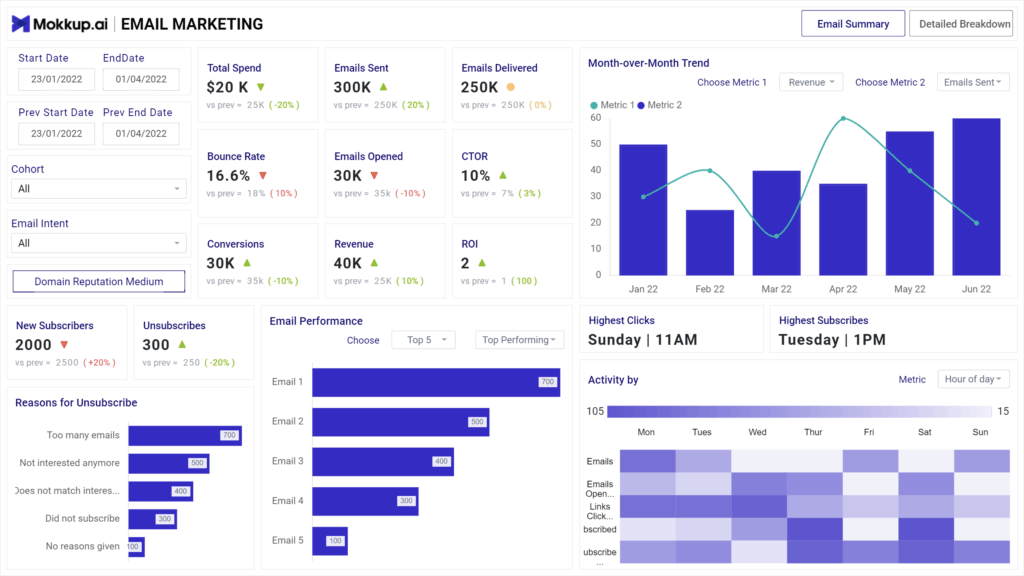
The system follows a straightforward sequence.
First, you pick a niche. The idea is to focus on a specific type of business rather than reaching out to everyone. This makes your messaging more targeted and increases the chances of getting replies.
Next, you build a list of potential clients. You gather contact information and organize it so you can consistently reach out each day. The emphasis is on volume and consistency.
You’re not sending ten emails and hoping for the best. You’re sending enough to create statistical odds in your favor.
Then you use the provided templates and AI tools to generate outreach messages. The goal is to personalize just enough to avoid looking like spam while still keeping the process efficient. Emails are sent, follow-ups are scheduled, and conversations begin if someone responds.
If a business shows interest, you book a call. On that call, you explain how you can help generate leads and outline the service. If they agree, you move forward with running outreach campaigns or connecting them with prospects.
That’s the loop. Prospect. Reach out. Follow up. Book calls. Close clients. Deliver results. Repeat.
On paper, it’s simple. In practice, success depends on response rates, your ability to communicate clearly, and whether businesses see value in what you’re offering. The structure is clear. Execution is where the challenge usually shows up.
What I Like About Inbox Profit Academy
One thing I like about this training is the clarity of the model. There’s no confusion about what you’re supposed to do. The steps are laid out in a logical order, and the focus stays on action. You’re not buried in theory. You’re told exactly what to execute.
I also like that the barrier to entry is low. You don’t need inventory. You don’t need to run paid ads. You don’t need to build a website before getting started. The business model is based on offering a service, which keeps upfront costs relatively small compared to other online models.
The use of templates is helpful, especially for beginners. Writing cold emails can feel intimidating at first. Having a starting framework removes that friction and makes it easier to take the first step. The AI tools add speed to the process, which matters when outreach volume plays a big role in results.
Another positive is the simplicity of the income structure. You’re aiming to land clients who pay you monthly. That can create predictable revenue if you’re able to close deals and maintain relationships.
The overall system is easy to understand. It doesn’t rely on complicated funnels or advanced marketing tactics. For someone who prefers a direct, service-based model, that simplicity can be appealing.
What I Don’t Like About Inbox Profit Academy
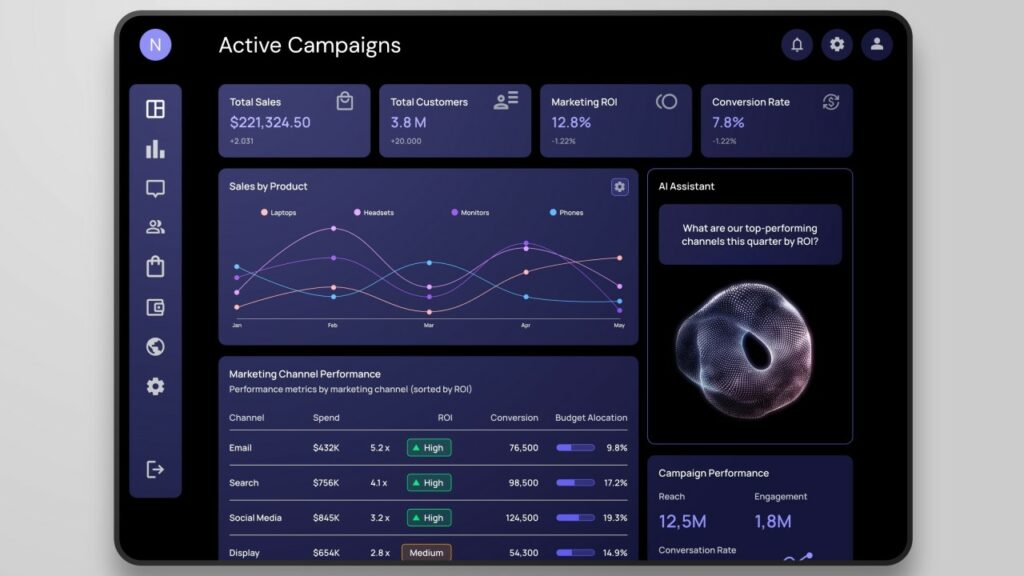
The biggest issue I see is how cold outreach is presented compared to how it actually plays out.
Cold email sounds simple: send messages, get replies, book calls. In reality, response rates are often low. Many emails never get opened.
Others get ignored. That means you need volume, patience, and the ability to handle rejection. That part isn’t emphasized as strongly as it should be.
Another concern is that this model depends heavily on your ability to communicate and close. Templates help, but they don’t replace real conversation skills.
When you get on a call with a business owner, you still need confidence and clarity. That can be difficult for beginners who have never sold anything before.
There’s also the question of differentiation. Many people are now using similar AI tools and outreach templates.
That makes inboxes more crowded. If your messaging isn’t strong or your targeting isn’t precise, you blend in with everyone else sending cold pitches.
Lastly, the income potential shown in marketing materials represents best-case scenarios. Yes, landing a few clients at high monthly retainers can add up quickly. But getting to that point usually takes time, testing, and persistence.
The framework is simple. The real-world execution is not always as easy as it looks on a sales page.
Final Thoughts
Inbox Profit Academy teaches a clear and simple service-based model built around cold email outreach and AI tools.
The structure makes sense. You pick a niche, build a list, send targeted emails, book calls, close clients, and repeat. The steps are laid out in a way that beginners can follow. The barrier to entry is relatively low compared to other online business models, and the idea of landing a few monthly clients is appealing.
At the same time, this is not as easy as it looks in promotional material. Cold outreach is competitive. Response rates can be low. Closing deals requires communication skills and persistence. The income potential shown represents strong outcomes, not guaranteed ones.
If you’re willing to treat this like a real service business and put in consistent effort, the framework gives you something structured to work with. If you’re looking for something hands-off or passive, this isn’t that.
The system is simple. The execution is where most people will either make it work — or quit.